
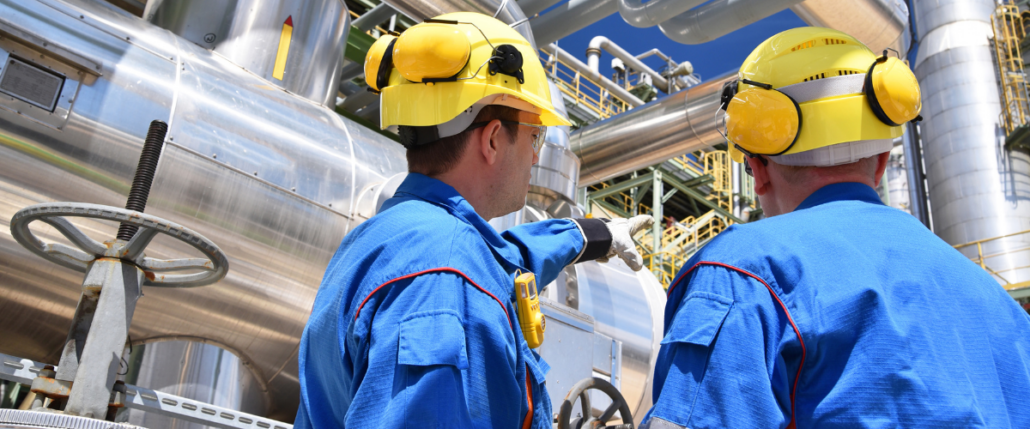
Alabama’s Industrial Corridor: Why Industrial Plant Workers Face Elevated Injury Risks
The drive up Highway 43 through Mobile County and down to the Port of Mobile paints a clear picture of the region’s industrial backbone. Towering smokestacks, sprawling pipe networks, and massive storage tanks dominate the landscape. This 60-mile stretch, commonly known as Alabama’s Industrial corridor, houses dozens of industrial facilities, steel mills, power plants, warehousing facilities, and production plants. For the thousands of local residents who clock in for a shift at these facilities every day, the environment is as dangerous as it is economically vital.
What Makes Alabama’s Industrial Corridor Particularly Hazardous for Workers?
Working along Mobile County’s 60-mile Industrial corridor presents unique dangers due to the high concentration of volatile materials, aging infrastructure, and heavy industrial activity. With dozens of facilities operating continuously, employees face constant exposure to toxic chemicals, pressurized systems, and heavy machinery hazards that require strict safety protocols.
The geographic layout of the local industry compounds the risk. Facilities spanning from Chickasaw and the historic Africatown area up through Satsuma and beyond operate in close proximity to one another. Many of these plants, bulk liquid storage terminals, and shipyards were originally constructed decades ago. While components are replaced and updated, the underlying infrastructure in some of these aging facilities requires rigorous, preventative maintenance to remain safe.
Furthermore, the sheer volume of hazardous materials moving through the Port of Mobile and along the Mobile River means workers are constantly surrounded by risk. A single failure in a pipeline, a malfunctioning valve on a storage tank, or a miscommunication during a shift change can trigger a cascading series of events.
Common hazards specific to these environments include:
- High-pressure system failures: Ruptures in pipes or tanks that can release superheated steam or toxic gases.
- Industrial cross-contamination: Accidental mixing of reactive substances during the transfer process between barges, railcars, and storage tanks.
- Confined space dangers: Toxic fume accumulation or oxygen depletion inside tanks, silos, or subterranean vaults during routine cleaning or inspection.
- Heavy equipment accidents: Crushing injuries or collisions involving forklifts, cranes, and transport trucks navigating tight facility grounds.
What Are the Most Common Injuries Sustained at Mobile Area Industrial Plants?
The most frequent injuries at Mobile area Industrial Plants include severe burns, respiratory damage from toxic gas inhalation, orthopedic trauma from falls, crush injuries, pinch-point injures, and blast injuries from explosions. These incidents often require immediate, specialized emergency treatment and can result in long-term physical impairment or permanent disability for the worker.
Because of the extreme temperatures and caustic substances often used in industrial production, burn injuries are unfortunately common. A worker exposed to an uncontrolled industrial release or a sudden flash fire requires immediate, highly specialized care. Locally, victims of severe industrial burns are frequently transported to the Luterman Burn Center at USA Health University Hospital in Mobile. Treating these injuries often involves multiple skin grafting surgeries, aggressive infection control, and months of painful physical therapy.
Similarly, blast injuries from sudden combustions can cause immense physical trauma. The concussive force of an industrial explosion can throw a worker dozens of feet, leading to traumatic brain injuries, shattered limbs, and spinal cord damage.
The most common severe injuries in this sector include:
- Thermal and Industrial burns: Ranging from localized second-degree burns to life-threatening third-degree burns covering large portions of the body.
- Inhalation injuries: Lung damage caused by breathing in particulate matter (PM), sulfur dioxide (SO2), or carbon monoxide (CO) during a sudden release.
- Traumatic amputations: Loss of limbs caught in unguarded machinery or severed by falling materials.
- Crush injuries: Severe damage to muscles, bones, and internal organs caused by collapsing structures or dropped cargo.
How Do Federal Safety Regulations Protect Alabama Industrial Plant Workers?
Federal safety regulations mandate that Alabama industrial plants implement comprehensive Process Safety Management programs, provide protective equipment, and conduct regular infrastructure maintenance. These strict standards are specifically designed to prevent catastrophic releases of toxic, reactive, or flammable liquids and gases during daily industrial plant and industrial production operations.
The Occupational Safety and Health Administration (OSHA) sets the baseline for worker safety in these facilities. Their Process Safety Management (PSM) standard requires employers to conduct detailed hazard analyses, maintain written operating procedures, and ensure that contractors working on or near hazardous industrial plants are fully trained.
Additionally, facilities in the industrial corridor operate under Title V air permits overseen by the Alabama Department of Environmental Management (ADEM) and the Environmental Protection Agency (EPA). While these are primarily environmental permits, the monitoring and recordkeeping required to maintain them often intersect with worker safety. When a facility fails to properly monitor its emissions or neglects equipment maintenance, the resulting leaks or systemic failures endanger the workers on the ground long before they impact the surrounding community.
Despite these regulations, safety failures still occur. Often, they happen because:
- Production schedules are prioritized over safety stand-downs: Delaying necessary maintenance to keep a production line running.
- Inadequate training: Failing to properly train new hires or outside contractors on facility-specific emergency shutdown procedures.
- Defective safety equipment: Providing workers with degraded personal protective equipment (PPE) or failing to calibrate gas monitors.
- Ignored warning signs: Overlooking small leaks or pressure anomalies that foreshadow a larger, catastrophic failure.
What Should I Do Immediately After an Industrial Plant Accident in Mobile?
Immediately following an industrial plant accident in Mobile, seek emergency medical care, report the incident to your supervisor in writing, and document the scene if possible. Securing prompt treatment at a local trauma center establishes a vital medical record for any future workers’ compensation or third-party injury claim.
In the chaotic moments after an industrial accident, your physical survival is the only priority. If you suffer a severe injury, colleagues or emergency responders will likely arrange for an ambulance transport to a facility equipped for high-level trauma, such as the Fanny Meisler Trauma Center at USA Health University Hospital. This Level I trauma center handles the most critical injuries in southwest Alabama.
Once your immediate medical needs are addressed, protecting your legal rights becomes the next vital step. Industrial plant owners and their insurance companies mobilize quickly after an accident. They will have investigators on the scene within hours, looking for ways to minimize their liability. You need to be equally proactive.
Important steps to take include:
- Report the injury officially: Notify your direct supervisor or the facility’s safety manager immediately. Ensure an official incident report is generated, and request a copy for your records.
- Preserve evidence: If you are physically able, or if a trusted coworker is present, take photographs of the equipment involved, the surrounding area, and any visible hazards.
- Identify witnesses: Get the names and contact numbers of anyone who saw the accident occur or who can verify the conditions leading up to it.
- Decline recorded statements: Do not give a recorded statement to the company’s insurance adjuster or sign any settlement documents without first speaking to a knowledgeable attorney.
Can I File a Lawsuit Against Someone Other Than My Employer for an Industrial Plant Injury?
Yes, injured industrial plant workers can often file a third-party personal injury lawsuit alongside their workers’ compensation claim. If a defective equipment manufacturer, an outside contractor, or a negligent maintenance company caused the accident, you may pursue additional compensation for pain, suffering, and lost earning capacity through civil litigation.
In Alabama, the workers’ compensation system is generally the “exclusive remedy” against your direct employer. This means that, in exchange for guaranteed medical coverage and partial wage replacement regardless of fault, you are barred from suing your employer directly for a workplace injury. However, workers’ compensation rarely covers the full financial and emotional devastation of a catastrophic injury.
This is where third-party claims become vital. An Industrial plant is a complex ecosystem involving many different companies. If a party other than your direct employer contributed to your injury, you can hold them accountable in civil court. These lawsuits are typically filed in the Mobile County Circuit Court, located at Government Plaza, or the Baldwin County Circuit Court, depending on where the injury occurred and where the defendants reside.
Potential third-party defendants in a Industrial Plant accident include:
- Equipment manufacturers: If a valve, pressure gauge, or scaffold was defectively designed or manufactured, causing it to fail under normal use.
- Outside contractors: If a third-party maintenance crew improperly installed a pipe fitting or left a hazardous condition behind.
- Property owners: If you are an independent contractor working on-site and the facility owner failed to warn you of hidden dangers.
- Delivery or transport companies: If a truck driver from an outside logistics company caused a collision on the facility grounds.
How Does Long-Term Industrial Exposure Affect Industrial Plant Workers?
Prolonged industrial exposure in industrial plant settings frequently leads to chronic respiratory conditions, neurological damage, and occupational cancers that may not appear for decades. Identifying the source of these illnesses requires extensive medical documentation and a thorough investigation into the specific industrial toxins present at the facility over time.
Not all industrial injuries happen in a sudden, violent explosion. Many workers along the Highway 43 corridor suffer from illnesses that develop slowly, day by day, breath by breath. Repeated exposure to volatile organic compounds, industrial solvents, silica dust, and heavy metals takes a severe toll on the human body.
These toxic tort cases are complex. Proving that a specific illness like mesothelioma, leukemia, or reactive airway dysfunction syndrome was caused by workplace exposure requires deep investigation. It involves tracking down decades-old safety data sheets, reviewing historical air monitoring data from ADEM, and working alongside medical professionals to establish a definitive link between the Industrial and the disease.
Key factors in Industrial exposure claims involve:
- Latency periods: Acknowledging that illnesses like cancer may not manifest until 10, 20, or 30 years after the exposure occurred.
- Cumulative effect: Proving that daily exposure to levels supposedly under the legal limit still caused cumulative, permanent damage.
- Failure to warn: Demonstrating that the facility or Industrial manufacturer knew about the long-term health risks but failed to provide adequate warnings or protective gear.
Frequently Asked Questions
How long do I have to file a third-party injury claim in Alabama?
In Alabama, the statute of limitations for filing a personal injury lawsuit is generally two years from the date of the accident. Missing this strict deadline typically results in the absolute forfeiture of your right to seek compensation.
Will workers’ compensation cover my treatment at the USA Health Burn Center?
Yes, if your burn injury occurred while performing your job duties, workers’ compensation should cover all reasonable and necessary medical treatment, including specialized care at a regional burn center, surgeries, and required physical therapy.
Can I be fired for reporting a safety violation at a Mobile Industrial plant?
No. Federal OSHA regulations and public policy protect workers from retaliation. It is illegal for an employer to terminate, demote, or harass you simply because you reported a legitimate safety hazard or filed a workers’ compensation claim.
Are contractors covered by the same safety rules as direct Industrial Plant employees?
Yes, facility operators are required to ensure a safe environment for everyone on site. Under OSHA’s Process Safety Management standards, host employers must inform contractors of potential fire, explosion, or toxic release hazards related to their work.
What compensation is available for the family of a fatally injured Industrial Plant worker?
Families may be entitled to death benefits under workers’ compensation, which cover funeral expenses and partial wage replacement. Additionally, they may pursue a wrongful death lawsuit against negligent third parties to seek punitive damages under Alabama law.
Where are personal injury lawsuits filed in Mobile County?
Third-party personal injury lawsuits arising from accidents in the local industrial corridor are generally filed in the Circuit Court of Mobile County, which is part of the Thirteenth Judicial Circuit located at Government Plaza in downtown Mobile. Industrial accident in Baldwin County are generally filed in the Circuit Court of Baldwin County in Bay Minette.
Discuss Your Case with an Experienced Alabama Industrial Injury Firm
Industrial accidents rarely leave room for minor injuries. The physical, emotional, and financial impact of an industrial plant accident extends far beyond the facility gates, affecting your family’s future and your ability to earn a living. The attorneys at Stone Crosby, P.C. have deep roots in this community and a thorough understanding of the industrial landscape spanning Mobile and Baldwin counties. We know how these facilities operate, we know how their insurance companies defend claims, and we are prepared to hold negligent parties accountable.
Contact our office or reach out to us online to schedule a consultation. We will evaluate the facts of your incident, explain your legal options clearly, and help you determine the best path forward for you and your family.